Blood cultures are the 'gold standard' test for sepsis
But positive results can be wrong ~40% of the time due to the high risk for contamination.40
Achieving a National Goal of 1% Blood Culture Contamination Rate
Achieving CLSI’s national goal of 1% blood culture contamination rate with best practices equates to approximately 1.4 million fewer patients harmed annually. This represents a significant improvement in patient safety and quality outcomes for the suspected sepsis population, as well as the avoidance of costly complications from misdiagnosis.
QA Indicator: Specimen Collection
“The benchmark for blood culture contamination rate is less than 3%, with a goal of 1% when best practices are followed.”
CLSI M47 ED2-2022
Principles and Procedures for Blood Cultures
False-Positive CLABSIs place Patients, and Hospitals, at Risk
In addition to improving patient safety and quality outcomes, reducing blood culture contamination rates can also have an impact on your central line-associated blood stream infection (CLABSI) reporting.
Anywhere from 30% to 45% of reported CLABSIs most likely represent contaminated blood cultures rather than true CLABSIs. These false-positive results may elevate your hospital’s standardized infection ratio (SIR), which could result in penalties and unintended economic consequences for your hospital.
Proven to Achieve Near-Zero Results
We are supporting the movement to a better standard for your patients.
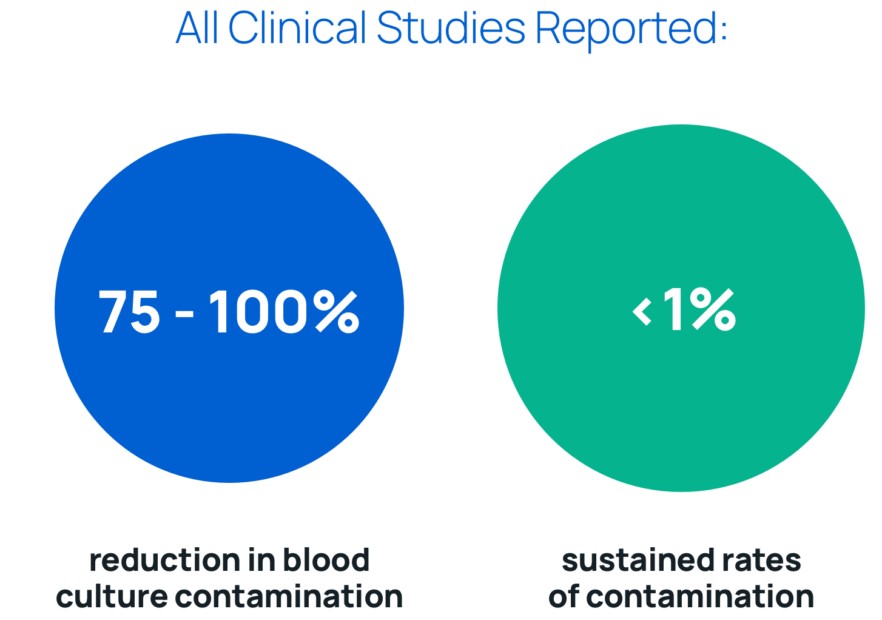
Through the use of the Steripath Platform, hospitals and health systems can reduce their blood culture contamination rates by as much as 100% with sustained results.44 Improving the accuracy of blood culture results directly impacts the antimicrobial stewardship efforts and the quality outcomes of your hospital.

Clinical Performance Guarantee
The Steripath Platform is backed by our Clinical Performance Guarantee. Reduce blood culture contamination rates at your hospital by at least 50%, or get your money back.
(Additional terms and conditions may apply)

We’re on a mission to improve the diagnostic accuracy and timeliness of sepsis test results.